Ginkgo and Circulation
Ginkgo is a useful case study in what happens when a popular supplement gets studied properly for decades.
What Ginkgo Is and Why It Appears in Memodyne
Ginkgo biloba is among the oldest tree species on earth. Extracts are made from the fan-shaped leaves, and the active compounds are flavonoid glycosides and terpene lactones including ginkgolides and bilobalide.
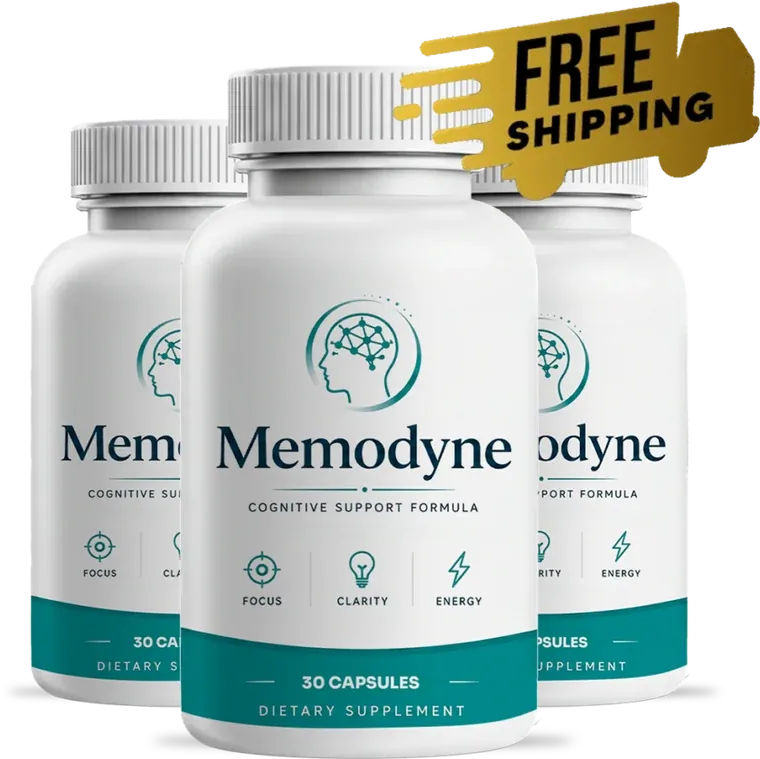
It appears in Memodyne at 120mg, supporting the mental energy and circulation elements of the formula's positioning.
What the Research Behind Ginkgo in Memodyne Shows
Ginkgo has been studied more than almost any other herbal product, and the honest summary is that the evidence has not converged.
The mechanism — improved cerebral blood flow and antioxidant activity — is reasonably supported. The outcomes are where it becomes complicated. Some trials in older adults with existing cognitive impairment have reported modest benefits. But large, well-conducted trials in healthy older adults, including a major long-running US study of several thousand participants, found no meaningful effect on preventing cognitive decline or dementia. Reviews of ginkgo for memory in healthy adults have generally been unimpressed.
This is worth sitting with. A mature evidence base that has not produced a consistent benefit is meaningful information, not an absence of information.
The Ginkgo Bleeding Risk to Discuss Before Taking Memodyne
This is the most practically important safety point in the whole formula.
Ginkgo can inhibit platelet aggregation, and case reports have documented bleeding events in people taking it alongside anticoagulant or antiplatelet medication.
If you take warfarin, aspirin, clopidogrel or any other blood thinner, discuss ginkgo with your doctor before starting a product containing it. Stop taking it well in advance of any planned surgery or dental procedure. It may also interact with anticonvulsants and some antidepressants.
Worth noting that this formula also contains DHA, which has a mild effect in the same direction, so the consideration compounds slightly.
Setting Expectations for Ginkgo in Memodyne
Modest expectations are appropriate. Given how extensively ginkgo has been studied without producing a consistent benefit in healthy adults, treat it as plausible supporting context within a formula rather than a reason to expect a change.
How to read the research on this Memodyne page
The studies described here examined individual ingredients, usually on their own, at doses set by the researchers, in specific groups of people. That research provides useful scientific context for why an ingredient is included in a formula.
It does not demonstrate that the finished Memodyne product produces the same outcomes. No clinical trial of this finished formula has been published, so nothing on this website should be read as clinical proof of the product itself.
More Memodyne Articles
Cognitive Health Basics
What actually shapes how well you think across decades, and why the strongest evidence sits with things nobody can sell you.
FocusHow to Support Focus Naturally
Why focus is mostly an environmental and physiological problem rather than a willpower one, and what actually helps.
Ingredient scienceBacopa and Memory
One of the better-researched botanicals in cognitive supplements, and why the timeline matters more than the dose.
Ingredient scienceLion's Mane and Brain Wellness
Genuinely interesting laboratory findings, a much thinner human evidence base, and how to hold both at once.
Make Memodyne Part of Your Daily Routine
One capsule a day, taken with water and preferably with a meal, alongside the sleep, movement and mental engagement that do the heavier lifting for cognitive wellness. Eight named ingredients, stimulant-free, and a 60-day money-back guarantee on every order.
From $49 per bottle · Stimulant-free · 60-day guarantee · Free shipping on 3 and 6 bottles