Lion's Mane and Brain Wellness
Lion's mane is the ingredient where the gap between the laboratory and the marketing is widest in this whole category.
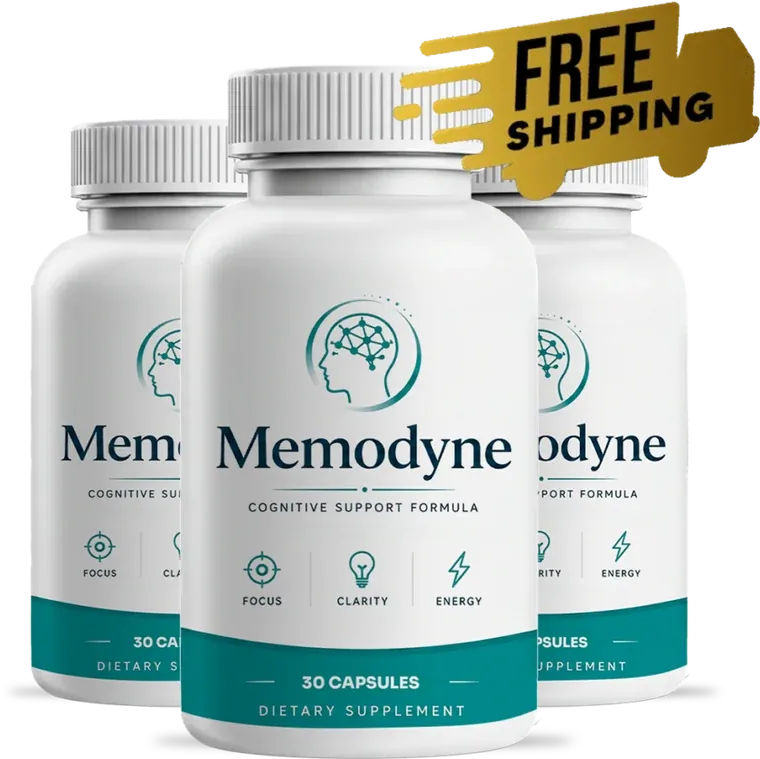
What Lion's Mane Is and Why It Appears in Memodyne
Lion's mane, Hericium erinaceus, is an edible mushroom with cascading white spines, eaten as food across parts of East Asia and used in traditional Chinese medicine.
Its compounds of interest are hericenones, found in the fruiting body, and erinacines, found in the mycelium. It appears in Memodyne at 500mg, the largest single amount in the formula, supporting the long-term cognitive wellness positioning.
What the Research Behind Lion's Mane in Memodyne Actually Shows
The excitement comes from laboratory work: hericenones and erinacines have been shown to stimulate nerve growth factor production in cell cultures. NGF is genuinely important for the survival and maintenance of neurons, and this is a real finding.
Then comes the gap. Most of this work is in cell cultures and animal models. Human trials are few and small. The most frequently cited involved a modest number of older Japanese adults with mild cognitive impairment and reported improvement during supplementation that faded after it stopped. Other small studies have looked at mood and sleep with mixed results.
There is also an unresolved pharmacological question: whether compounds that affect NGF in a dish reach the human brain in meaningful quantities after being eaten.
How to Read Lion's Mane Claims Around Memodyne
"Stimulates NGF" is a claim about cell cultures. "Promotes neurogenesis" implies an outcome in a living human brain that has not been demonstrated. Those two statements frequently appear in the same paragraph on supplement pages, and the distance between them is the whole issue.
A reasonable position: lion's mane is a promising early-stage ingredient with a plausible mechanism and thin human evidence. It is a food with a good safety record, so trying it is low-risk. Expecting it to regrow neurons is not supported.
Lion's Mane Safety Considerations Alongside Memodyne
Lion's mane is eaten as a food and has a good safety record, with minimal effects reported in trials.
The main consideration is allergy: anyone with a mushroom allergy should avoid it, and skin reactions and breathing difficulty have been reported in isolated cases. Some evidence suggests it may affect blood clotting and blood glucose, so mention it to your doctor if you take anticoagulants or diabetes medication.
How to read the research on this Memodyne page
The studies described here examined individual ingredients, usually on their own, at doses set by the researchers, in specific groups of people. That research provides useful scientific context for why an ingredient is included in a formula.
It does not demonstrate that the finished Memodyne product produces the same outcomes. No clinical trial of this finished formula has been published, so nothing on this website should be read as clinical proof of the product itself.
More Memodyne Articles
Cognitive Health Basics
What actually shapes how well you think across decades, and why the strongest evidence sits with things nobody can sell you.
FocusHow to Support Focus Naturally
Why focus is mostly an environmental and physiological problem rather than a willpower one, and what actually helps.
Ingredient scienceBacopa and Memory
One of the better-researched botanicals in cognitive supplements, and why the timeline matters more than the dose.
Ingredient scienceAlpha-GPC and Cognitive Function
A clear mechanism, a decent research history and one contested safety signal that supplement pages usually omit.
Make Memodyne Part of Your Daily Routine
One capsule a day, taken with water and preferably with a meal, alongside the sleep, movement and mental engagement that do the heavier lifting for cognitive wellness. Eight named ingredients, stimulant-free, and a 60-day money-back guarantee on every order.
From $49 per bottle · Stimulant-free · 60-day guarantee · Free shipping on 3 and 6 bottles