Alpha-GPC
The formula's choline source and the front half of its acetylcholine strategy, plus a genuinely contested safety signal worth knowing about.
Why Alpha-GPC Is in Memodyne
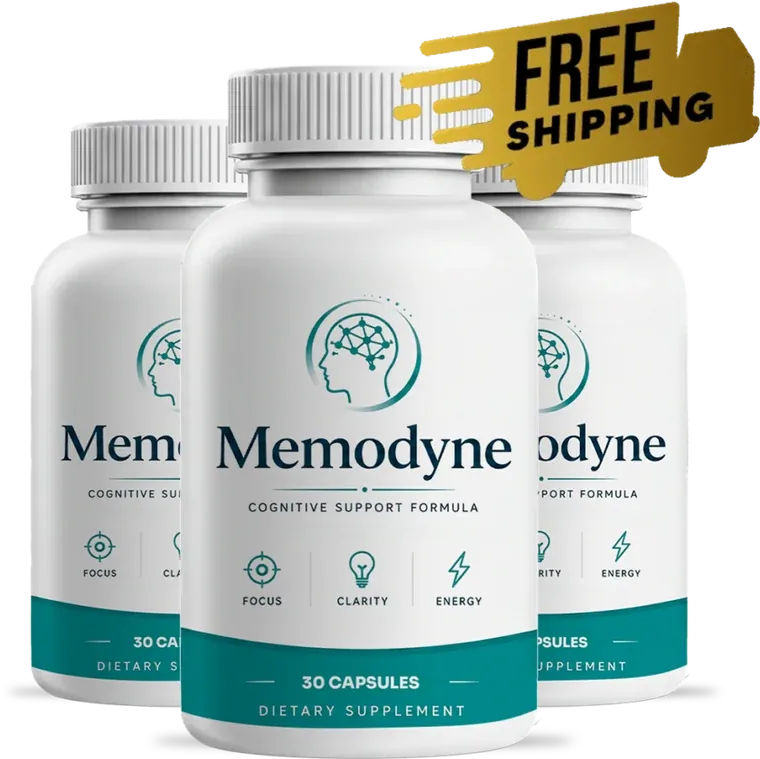
A choline-containing compound that serves as a precursor in the body's production of acetylcholine, a neurotransmitter involved in learning and attention. It is one of the eight named ingredients in the Memodyne formula, included at 300mg per daily capsule, and this page covers what it is, the general research context around it, and the reason it is there.
How to read the research on this Memodyne page
The studies described here examined individual ingredients, usually on their own, at doses set by the researchers, in specific groups of people. That research provides useful scientific context for why an ingredient is included in a formula.
It does not demonstrate that the finished Memodyne product produces the same outcomes. No clinical trial of this finished formula has been published, so nothing on this website should be read as clinical proof of the product itself.
What Alpha-GPC in Memodyne Is
Alpha-GPC, or L-alpha-glycerylphosphorylcholine, is a choline-containing compound found naturally in the body and in small quantities in foods such as organ meats, dairy and wheat germ.
Choline is an essential nutrient and the direct precursor for acetylcholine, one of the most important neurotransmitters for attention, learning and memory. Alpha-GPC is used in supplements because it crosses the blood-brain barrier efficiently compared with some other choline sources.
In parts of Europe it has been used as a prescription medication for cognitive disorders, while elsewhere it is sold as a dietary supplement.
The Research Context Behind Alpha-GPC in Memodyne
The mechanism here is more clearly defined than for most ingredients in this category: supply more choline, and the raw material for acetylcholine synthesis is more readily available.
Research has examined alpha-GPC in cognitive decline, where some European trials in patients with dementia or after stroke reported benefits; in exercise performance, where several small studies have looked at power output and growth hormone response; and in healthy cognition, where the evidence is thinner than the mechanism might suggest.
The mechanistic plausibility is genuinely good. The human evidence that supplementing choline improves cognition in healthy, well-nourished adults is considerably weaker, which is a distinction worth holding onto.
Why Alpha-GPC Is Included in Memodyne at 300mg
It is the front half of the formula's acetylcholine strategy: alpha-GPC supplies the precursor while huperzine A slows the breakdown of the resulting neurotransmitter. As formulation logic goes, that is coherent and deliberate rather than decorative.
The 300mg amount sits within commonly used research ranges, which have typically run from 300mg to 1200mg daily depending on the population studied.
Responsible Expectations and Safety for Alpha-GPC in Memodyne
Expect nutritional support for a system rather than a noticeable cognitive effect. The mechanism is sound; the evidence that it produces a felt difference in healthy adults is limited.
A safety signal worth knowing about. A large observational study published in recent years reported an association between alpha-GPC supplement use and increased stroke risk over a ten-year period. Observational data cannot establish causation, the finding has not been confirmed by trials, and it remains contested among researchers.
We mention it because it is a real signal in the literature that supplement pages routinely omit, and because anyone with existing cardiovascular risk factors deserves the chance to discuss it with a doctor rather than learn about it later. Reported side effects are otherwise mild — headache, digestive upset, occasionally insomnia.
Memodyne and medication: check before you start
Several ingredients in this formula are pharmacologically active rather than simply nutritional. Huperzine A affects the enzyme that breaks down acetylcholine and should not be combined with cholinergic medication without medical advice. Ginkgo biloba may increase bleeding risk and matters if you take anticoagulants or have surgery planned. Bacopa can interact with thyroid and sedative medication.
Show the label to a pharmacist or doctor before starting if you take any prescription medication, are pregnant or nursing, or manage a medical condition. This is more important here than for a simple vitamin.
Related Memodyne Reading
The main ingredients page sets out how all eight work together, and the benefits page explains what the formula is positioned to support and what it does not do.
More Memodyne Ingredients
Bacopa Monnieri
A herb used in Ayurvedic practice, studied in the context of memory and learning, where effects build gradually over weeks rather than appearing quickly.
500mgLion's Mane
An edible mushroom studied for its compounds' relationship with nerve growth factor, mostly in laboratory and animal research to date.
150mgPhosphatidylserine
A phospholipid concentrated in brain cell membranes, studied in the context of cognitive function and memory in older adults.
120mgGinkgo Biloba
One of the most studied botanicals in the world, examined mainly around cerebral blood flow and cognition, with genuinely mixed results.
Make Memodyne Part of Your Daily Routine
One capsule a day, taken with water and preferably with a meal, alongside the sleep, movement and mental engagement that do the heavier lifting for cognitive wellness. Eight named ingredients, stimulant-free, and a 60-day money-back guarantee on every order.
From $49 per bottle · Stimulant-free · 60-day guarantee · Free shipping on 3 and 6 bottles