Omega-3 DHA
The principal structural fatty acid in brain tissue, included here at an amount worth looking at carefully.
Why Omega-3 DHA Is in Memodyne
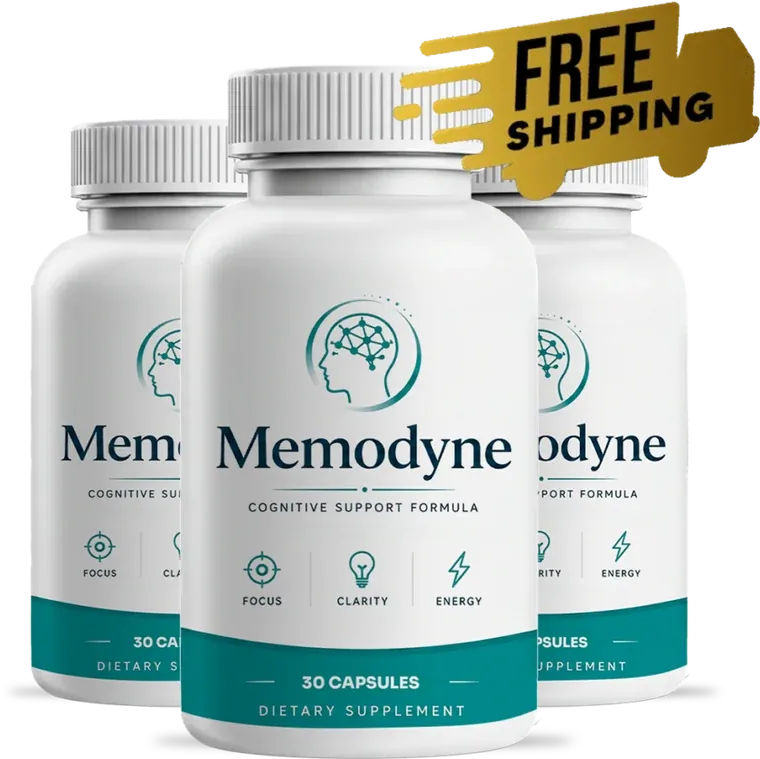
The principal omega-3 fatty acid in brain tissue, with a recognised role in maintaining normal brain function at an established daily intake. It is one of the eight named ingredients in the Memodyne formula, included at 200mg per daily capsule, and this page covers what it is, the general research context around it, and the reason it is there.
How to read the research on this Memodyne page
The studies described here examined individual ingredients, usually on their own, at doses set by the researchers, in specific groups of people. That research provides useful scientific context for why an ingredient is included in a formula.
It does not demonstrate that the finished Memodyne product produces the same outcomes. No clinical trial of this finished formula has been published, so nothing on this website should be read as clinical proof of the product itself.
What Omega-3 DHA in Memodyne Is
Docosahexaenoic acid is a long-chain omega-3 fatty acid and the most abundant omega-3 in the human brain, where it makes up a substantial proportion of the fatty acid content of neural cell membranes.
It is found principally in oily fish — salmon, mackerel, sardines, anchovies — and in algae, which is where the fish get it from. Algal oil is the usual source for vegan preparations.
The body can convert the plant-based omega-3 ALA into DHA, but does so inefficiently, which is why direct dietary or supplemental sources matter.
The Research Context Behind DHA in Memodyne
DHA's structural role in the brain is basic, uncontested biology. It is a major component of neural membranes and affects their fluidity, which influences how efficiently signalling proteins embedded in those membranes function.
It carries an authorised health claim in several regulatory frameworks for contributing to the maintenance of normal brain function — with the claim conditional on a daily intake of 250mg of DHA.
Research on DHA supplementation and cognition in healthy adults has produced mixed results. Its role in infant brain development and during pregnancy is much better established. Studies in older adults with memory complaints have reported modest effects in some cases.
Why DHA Is Included in Memodyne at 200mg
It supports the structural and long-term cognitive wellness elements of the formula, alongside phosphatidylserine, with which it shares a membrane-related role.
The amount is worth examining honestly. The authorised claim for maintaining normal brain function is conditional on 250mg of DHA daily. Memodyne contains 200mg, which is below that threshold.
That does not make it pointless — it contributes toward a daily total that includes whatever you eat — but it does mean this alone does not reach the intake the claim is based on. If you rarely eat oily fish, a dedicated omega-3 source alongside it is worth considering.
Responsible Expectations and Safety for DHA in Memodyne
Read this as a contribution toward an established structural requirement rather than an active cognitive ingredient. Two portions of oily fish a week does more for your omega-3 status than 200mg daily in a capsule.
Safety notes. Omega-3 fatty acids are well tolerated. The most common complaints are digestive: fishy aftertaste, reflux and loose stools, all more likely when taken without food.
At high intakes omega-3s can have a mild blood-thinning effect, which is worth mentioning to your doctor if you take anticoagulants — particularly since this formula also contains ginkgo, which carries a similar consideration. Anyone with a fish or shellfish allergy should confirm the source with the seller, since the label does not state whether the DHA is fish-derived or algal.
Related Memodyne Reading
The main ingredients page sets out how all eight work together, and the benefits page explains what the formula is positioned to support and what it does not do.
More Memodyne Ingredients
Bacopa Monnieri
A herb used in Ayurvedic practice, studied in the context of memory and learning, where effects build gradually over weeks rather than appearing quickly.
500mgLion's Mane
An edible mushroom studied for its compounds' relationship with nerve growth factor, mostly in laboratory and animal research to date.
150mgPhosphatidylserine
A phospholipid concentrated in brain cell membranes, studied in the context of cognitive function and memory in older adults.
120mgGinkgo Biloba
One of the most studied botanicals in the world, examined mainly around cerebral blood flow and cognition, with genuinely mixed results.
Make Memodyne Part of Your Daily Routine
One capsule a day, taken with water and preferably with a meal, alongside the sleep, movement and mental engagement that do the heavier lifting for cognitive wellness. Eight named ingredients, stimulant-free, and a 60-day money-back guarantee on every order.
From $49 per bottle · Stimulant-free · 60-day guarantee · Free shipping on 3 and 6 bottles