Huperzine A
The most pharmacologically active ingredient in the formula, and the one that most deserves a careful read before you start.
Why Huperzine A Is in Memodyne
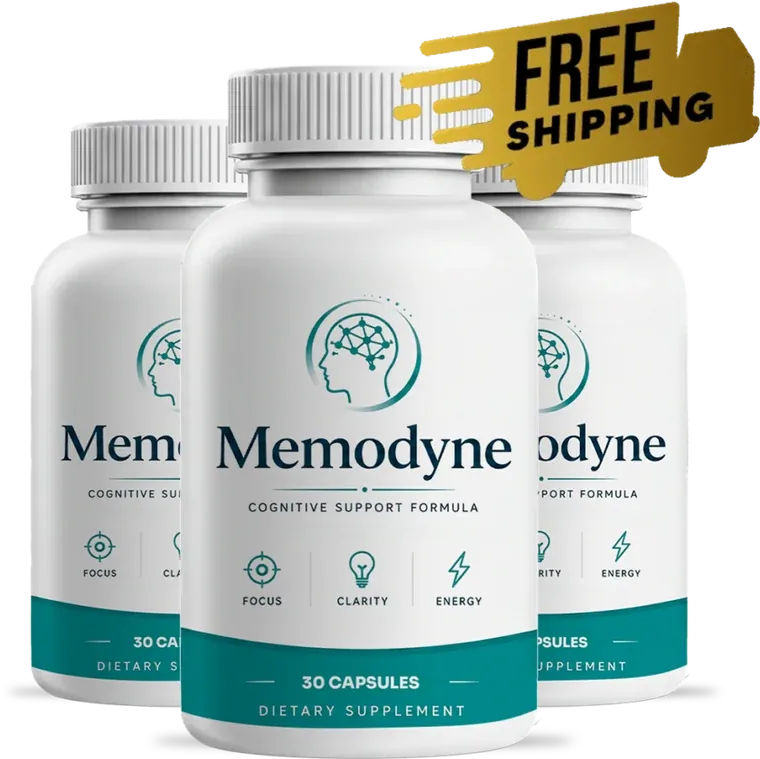
An alkaloid originally isolated from Chinese club moss, which acts on the enzyme that breaks down acetylcholine. Pharmacologically active and worth understanding properly. It is one of the eight named ingredients in the Memodyne formula, included at 200mcg per daily capsule, and this page covers what it is, the general research context around it, and the reason it is there.
How to read the research on this Memodyne page
The studies described here examined individual ingredients, usually on their own, at doses set by the researchers, in specific groups of people. That research provides useful scientific context for why an ingredient is included in a formula.
It does not demonstrate that the finished Memodyne product produces the same outcomes. No clinical trial of this finished formula has been published, so nothing on this website should be read as clinical proof of the product itself.
What Huperzine A in Memodyne Is
Huperzine A is an alkaloid originally isolated from Chinese club moss, Huperzia serrata, a plant used in traditional Chinese medicine. Most supplemental huperzine A today is produced synthetically.
It is worth being clear about what kind of ingredient this is. Huperzine A is not a nutrient or a general botanical extract — it is a specific compound with a defined pharmacological action, active at microgram rather than milligram doses. The 200mcg here is a fraction of the weight of every other ingredient in the formula, and that is because it is potent.
The Research Context Behind Huperzine A in Memodyne
Huperzine A inhibits acetylcholinesterase, the enzyme that breaks down acetylcholine after it has done its job at the synapse. Inhibiting it means acetylcholine remains available for longer.
That is the same mechanism used by several prescription drugs for Alzheimer's disease, and in China huperzine A itself has been used as an approved treatment for cognitive impairment.
Research has largely focused on Alzheimer's disease and age-related cognitive decline, where reviews of mostly Chinese trials have reported improvements, though methodological quality has frequently been criticised. Evidence in healthy adults seeking better focus is much more limited.
Sharing a mechanism with a prescription drug is not the same as being one, and it is emphatically not evidence that this formula treats any condition. Memodyne is a dietary supplement and is not a treatment for dementia or memory loss.
Why Huperzine A Is Included in Memodyne at 200mcg
It completes the acetylcholine pairing: alpha-GPC supplies precursor, huperzine A slows breakdown. The 200mcg amount sits within the range commonly used in research, which has typically run between 50mcg and 400mcg daily.
Many users of huperzine A cycle it — taking it for a period then pausing — on the reasoning that continuous enzyme inhibition may lead to diminishing returns. The product materials do not mention cycling, and it is a reasonable thing to ask a pharmacist about.
Responsible Expectations and Safety for Huperzine A in Memodyne
This is the ingredient in the formula that most warrants a medication check, and the reason the safety note appears on so many pages of this website.
Do not combine it with cholinergic medication without medical advice. That includes prescription acetylcholinesterase inhibitors such as donepezil, rivastigmine and galantamine. Taking two things that inhibit the same enzyme can produce additive effects.
Reported side effects include nausea, sweating, dizziness, blurred vision, restlessness and, less commonly, a slowed heart rate. Caution is advised for anyone with a heart condition, epilepsy, asthma or a gastrointestinal ulcer, and it should be discontinued before surgery because it may interact with anaesthetic agents.
It is not recommended during pregnancy or nursing. If you take any prescription medication affecting the nervous system, speak to a pharmacist before starting this product.
Memodyne and medication: check before you start
Several ingredients in this formula are pharmacologically active rather than simply nutritional. Huperzine A affects the enzyme that breaks down acetylcholine and should not be combined with cholinergic medication without medical advice. Ginkgo biloba may increase bleeding risk and matters if you take anticoagulants or have surgery planned. Bacopa can interact with thyroid and sedative medication.
Show the label to a pharmacist or doctor before starting if you take any prescription medication, are pregnant or nursing, or manage a medical condition. This is more important here than for a simple vitamin.
If you are worried about your memory
Memory changes that are getting worse, interfering with daily life, or worrying you or the people around you deserve a proper medical assessment rather than a supplement. Many causes — thyroid problems, B12 deficiency, medication side effects, depression, sleep apnoea — are treatable when identified.
Memodyne is not a treatment for memory loss, dementia or Alzheimer's disease, and this website does not present it as one. Please speak to a doctor.
Related Memodyne Reading
The main ingredients page sets out how all eight work together, and the benefits page explains what the formula is positioned to support and what it does not do.
More Memodyne Ingredients
Bacopa Monnieri
A herb used in Ayurvedic practice, studied in the context of memory and learning, where effects build gradually over weeks rather than appearing quickly.
500mgLion's Mane
An edible mushroom studied for its compounds' relationship with nerve growth factor, mostly in laboratory and animal research to date.
150mgPhosphatidylserine
A phospholipid concentrated in brain cell membranes, studied in the context of cognitive function and memory in older adults.
120mgGinkgo Biloba
One of the most studied botanicals in the world, examined mainly around cerebral blood flow and cognition, with genuinely mixed results.
Make Memodyne Part of Your Daily Routine
One capsule a day, taken with water and preferably with a meal, alongside the sleep, movement and mental engagement that do the heavier lifting for cognitive wellness. Eight named ingredients, stimulant-free, and a 60-day money-back guarantee on every order.
From $49 per bottle · Stimulant-free · 60-day guarantee · Free shipping on 3 and 6 bottles