Lion's Mane
An edible mushroom with genuinely interesting laboratory findings and a human evidence base that is much thinner than the marketing suggests.
Why Lion's Mane Is in Memodyne
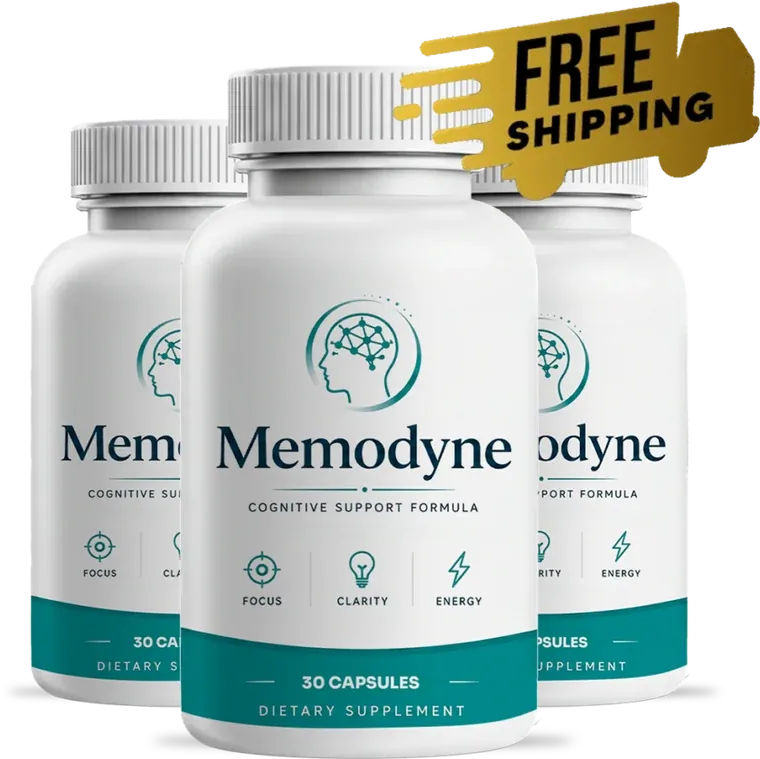
An edible mushroom studied for its compounds' relationship with nerve growth factor, mostly in laboratory and animal research to date. It is one of the eight named ingredients in the Memodyne formula, included at 500mg per daily capsule, and this page covers what it is, the general research context around it, and the reason it is there.
How to read the research on this Memodyne page
The studies described here examined individual ingredients, usually on their own, at doses set by the researchers, in specific groups of people. That research provides useful scientific context for why an ingredient is included in a formula.
It does not demonstrate that the finished Memodyne product produces the same outcomes. No clinical trial of this finished formula has been published, so nothing on this website should be read as clinical proof of the product itself.
What Lion's Mane in Memodyne Is
Lion's mane, Hericium erinaceus, is an edible mushroom that grows on hardwood trees, recognisable by its cascading white spines. It is eaten as food in parts of East Asia and has a long history in traditional Chinese medicine.
Its compounds of interest are hericenones, found in the fruiting body, and erinacines, found in the mycelium. Which part an extract comes from therefore matters, and products differ considerably on this point.
The Research Context Behind Lion's Mane in Memodyne
This is the ingredient where the gap between what is often claimed and what has actually been shown in people is widest, so it is worth being direct about.
The interest stems from laboratory work showing that hericenones and erinacines can stimulate nerve growth factor production in cell cultures. NGF is genuinely important for the maintenance and growth of neurons, and that finding is real and interesting.
The gap is what happens next. Most of this work is in cell cultures and animal models. Human trials exist but are few and small — the most cited involved a modest number of older Japanese adults with mild cognitive impairment, reporting improvement during supplementation that declined after it stopped. Other small studies have looked at mood and sleep with mixed results.
There is also an unresolved question about whether compounds shown to affect NGF in a dish reach the brain in meaningful quantities after oral consumption in a person.
Why Lion's Mane Is Included in Memodyne at 500mg
It is the largest single amount in the formula and supports the long-term cognitive wellness positioning rather than the immediate focus claims.
It is also one of the most recognisable ingredients in the nootropic category, which is a commercial consideration as much as a formulation one. As with bacopa, the extract type and standardisation are not published, and for lion's mane specifically that is a meaningful gap given the fruiting body and mycelium difference.
Responsible Expectations and Safety for Lion's Mane in Memodyne
Treat lion's mane as a promising early-stage ingredient rather than an established one. Claims that it promotes neurogenesis or repairs neural tissue in humans go well beyond what has been demonstrated, and this website does not make them.
Safety notes. Lion's mane is eaten as a food and has a good safety record. Reported effects in trials have been minimal.
The main consideration is allergy: people with mushroom allergies should avoid it, and skin reactions and breathing difficulty have been reported in isolated cases. There is some evidence it may affect blood clotting and blood glucose, so anyone taking anticoagulants or diabetes medication should mention it to their doctor.
Related Memodyne Reading
The main ingredients page sets out how all eight work together, and the benefits page explains what the formula is positioned to support and what it does not do.
More Memodyne Ingredients
Bacopa Monnieri
A herb used in Ayurvedic practice, studied in the context of memory and learning, where effects build gradually over weeks rather than appearing quickly.
150mgPhosphatidylserine
A phospholipid concentrated in brain cell membranes, studied in the context of cognitive function and memory in older adults.
120mgGinkgo Biloba
One of the most studied botanicals in the world, examined mainly around cerebral blood flow and cognition, with genuinely mixed results.
300mgAlpha-GPC
A choline-containing compound that serves as a precursor in the body's production of acetylcholine, a neurotransmitter involved in learning and attention.
Make Memodyne Part of Your Daily Routine
One capsule a day, taken with water and preferably with a meal, alongside the sleep, movement and mental engagement that do the heavier lifting for cognitive wellness. Eight named ingredients, stimulant-free, and a 60-day money-back guarantee on every order.
From $49 per bottle · Stimulant-free · 60-day guarantee · Free shipping on 3 and 6 bottles